
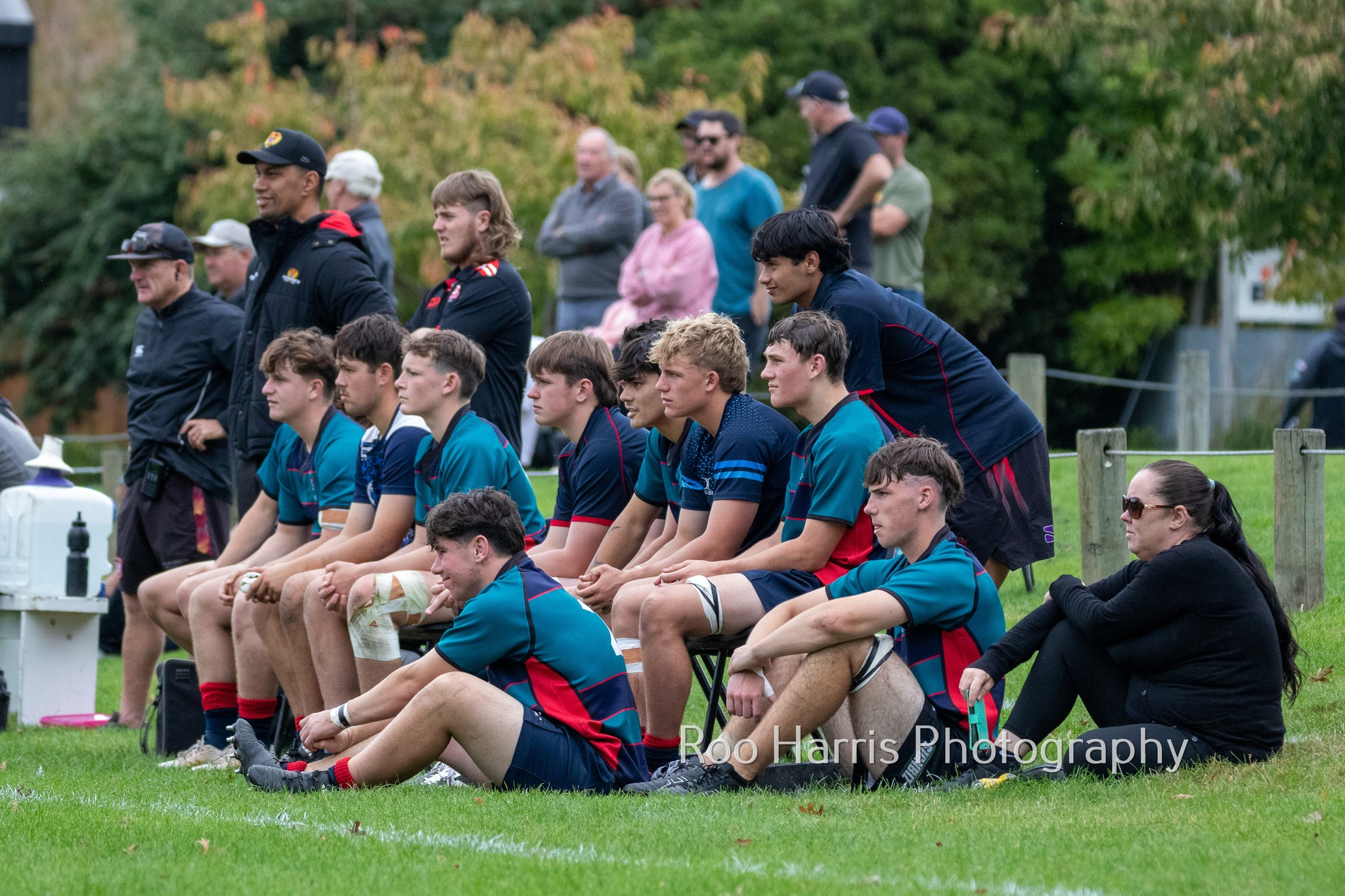
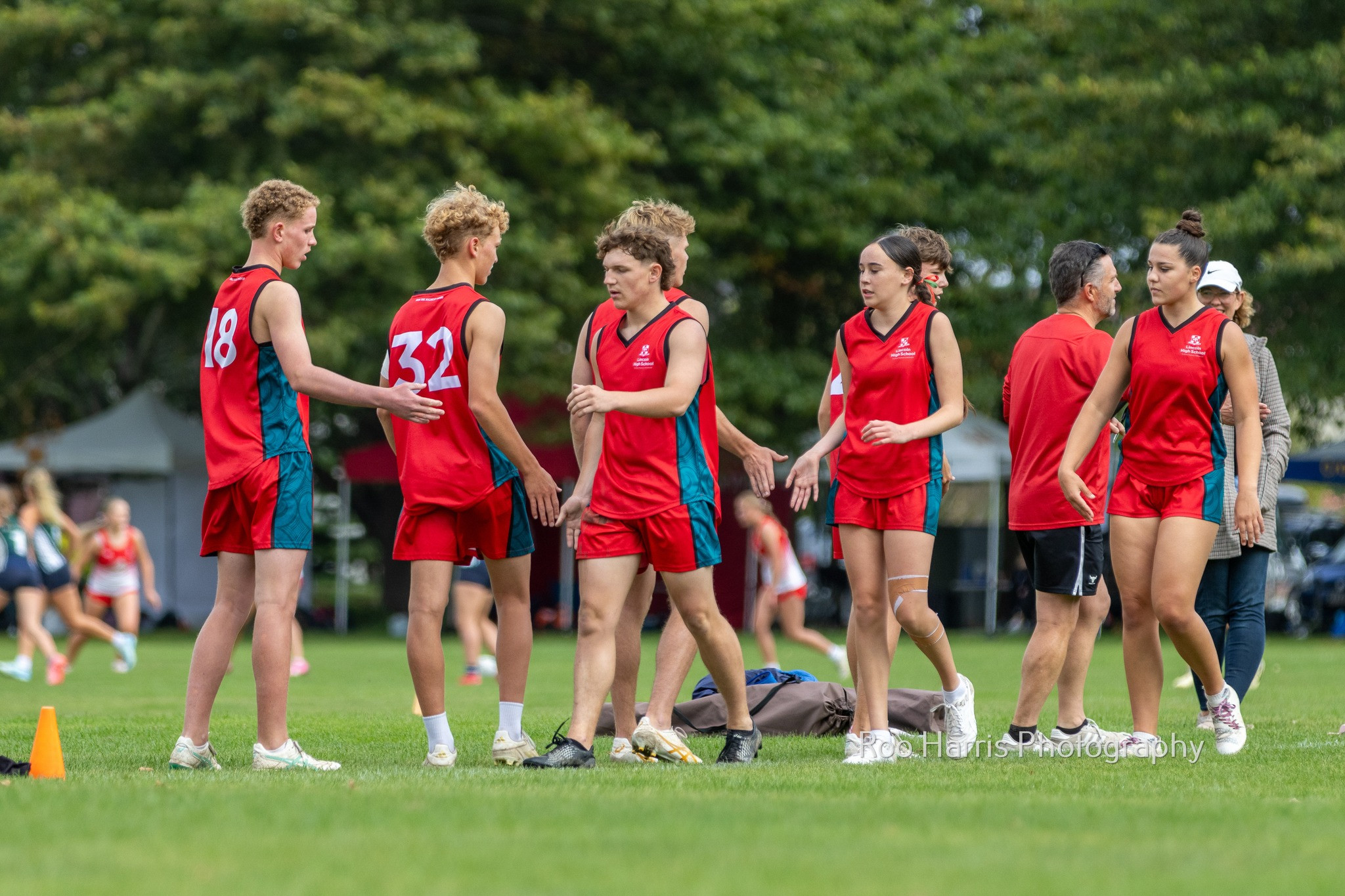
- Play for enjoyment.
- Play hard but fair.
- Play by the laws of the game.
- Be committed to your team. Attend all practices and matches.
- Never argue with officials. Control your temper at all times.
- Work equally hard for yourself and your team.
- Be a good sport. Applaud all good play, whether by your team or your opponent.
- Remember, the goals of the game are to have fun, improve your skills, and feel good.
- Use appropriate and acceptable language.
- Thank the opposition and officials at the end of the game.
- Respect the rights, dignity, and worth of all participants regardless of their gender, ability, cultural background, or religion.
- Positively reinforce the actions of players.
- Lead by example.
- Be honest with yourself and players.
- Create an enjoyable environment to play the game.
- Develop team respect for officials
- Allow all players to participate in the game.
- Insist on fair play and discipline.
- Be reasonable in the demand on players鈥� time, energy, and enthusiasm.
- Encourage sportsmanship.
- Use appropriate and acceptable language.
- Applaud the performance of both teams.
- Be positive with the officials.
- Acknowledge the efforts of the officials.
- Let the players play their game, not your game.
- Praise efforts, not results.
- Set an example for the players.
- Use appropriate and acceptable language.
- Encourage all participants to play within the rules of the game.
- Display self-control on the sideline.
- Show appreciation to coaches and officials who facilitate the game.
- Remember, young people play sport for their satisfaction, not yours.
- Control the game fairly and positively.
- Be consistent and objective in your rulings.
- Modify your approach to suit the player's skill level.
- Help players learn the rules by explaining decisions where appropriate.
- Do what you can to make sure that everyone enjoys the game.
- Encourage fair play and not tolerate foul play of any kind.
- Be a positive role model.