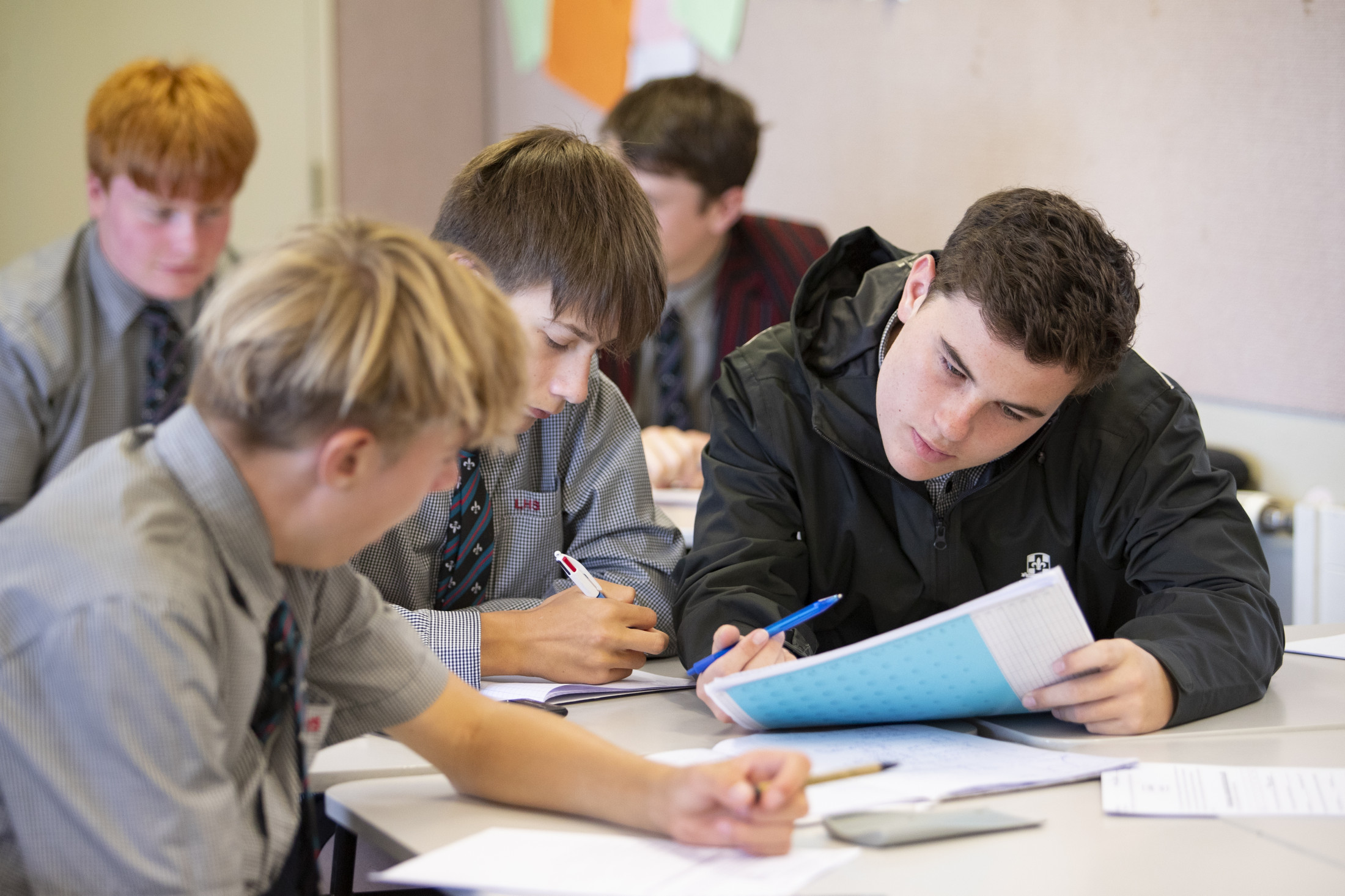
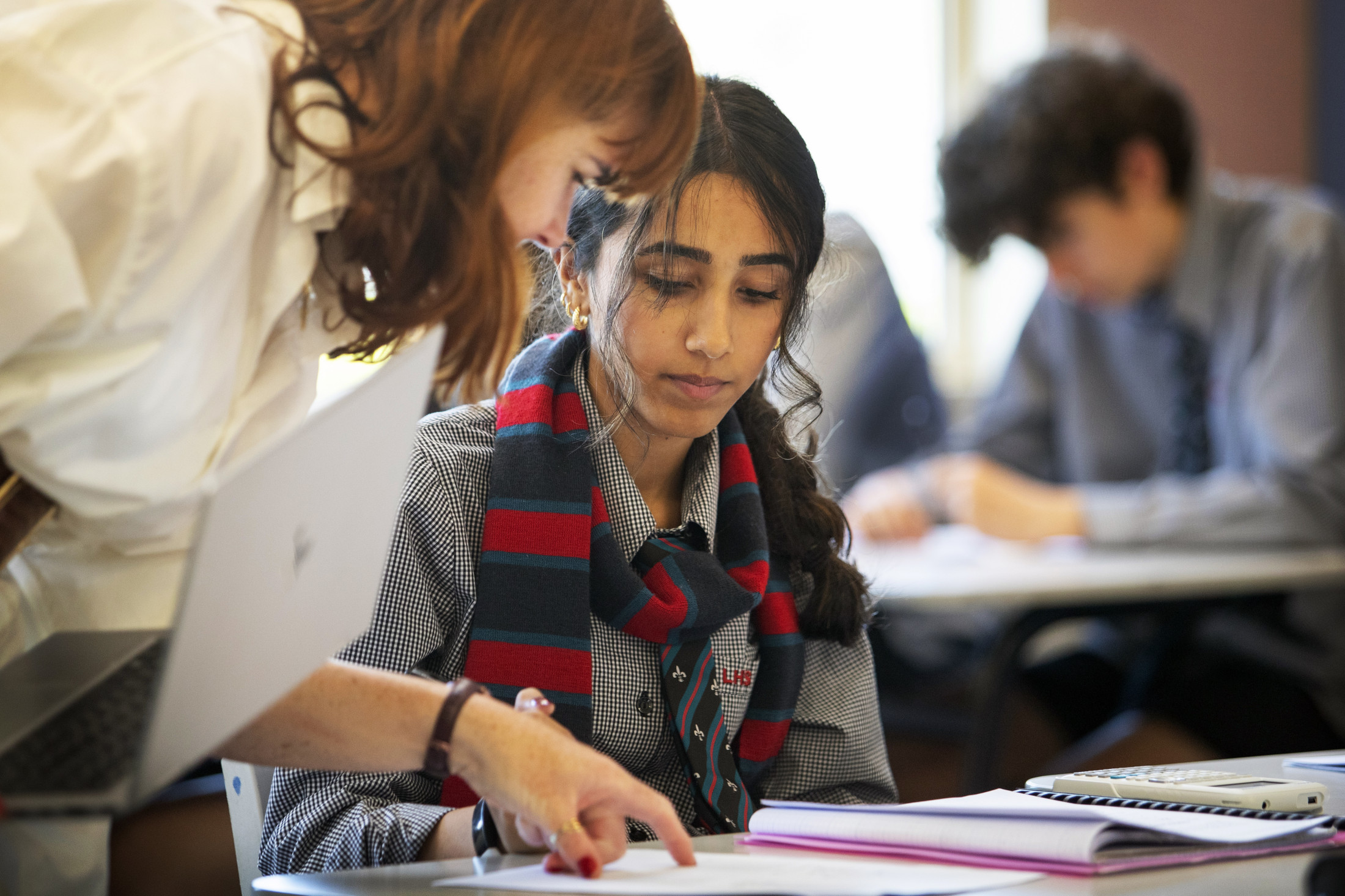
Mathematics & Statistics develops students鈥� ability to think logically, solve problems and make sense of patterns, relationships and data. In the junior years, students build strong foundations across number, algebra, geometry, measurement and statistics, while learning to explain their reasoning and apply mathematical thinking to real-life situations. As students progress, they can choose pathways that suit their strengths and future goals, including general Mathematics, Statistics and Calculus. The programme emphasises both conceptual understanding and practical application, helping students become confident users of mathematical tools and language. Mathematics supports a wide range of career and study pathways 鈥� from trades and business through to science, engineering and technology 鈥� and builds transferable skills in reasoning, modelling and decision-making that are valuable in any field.
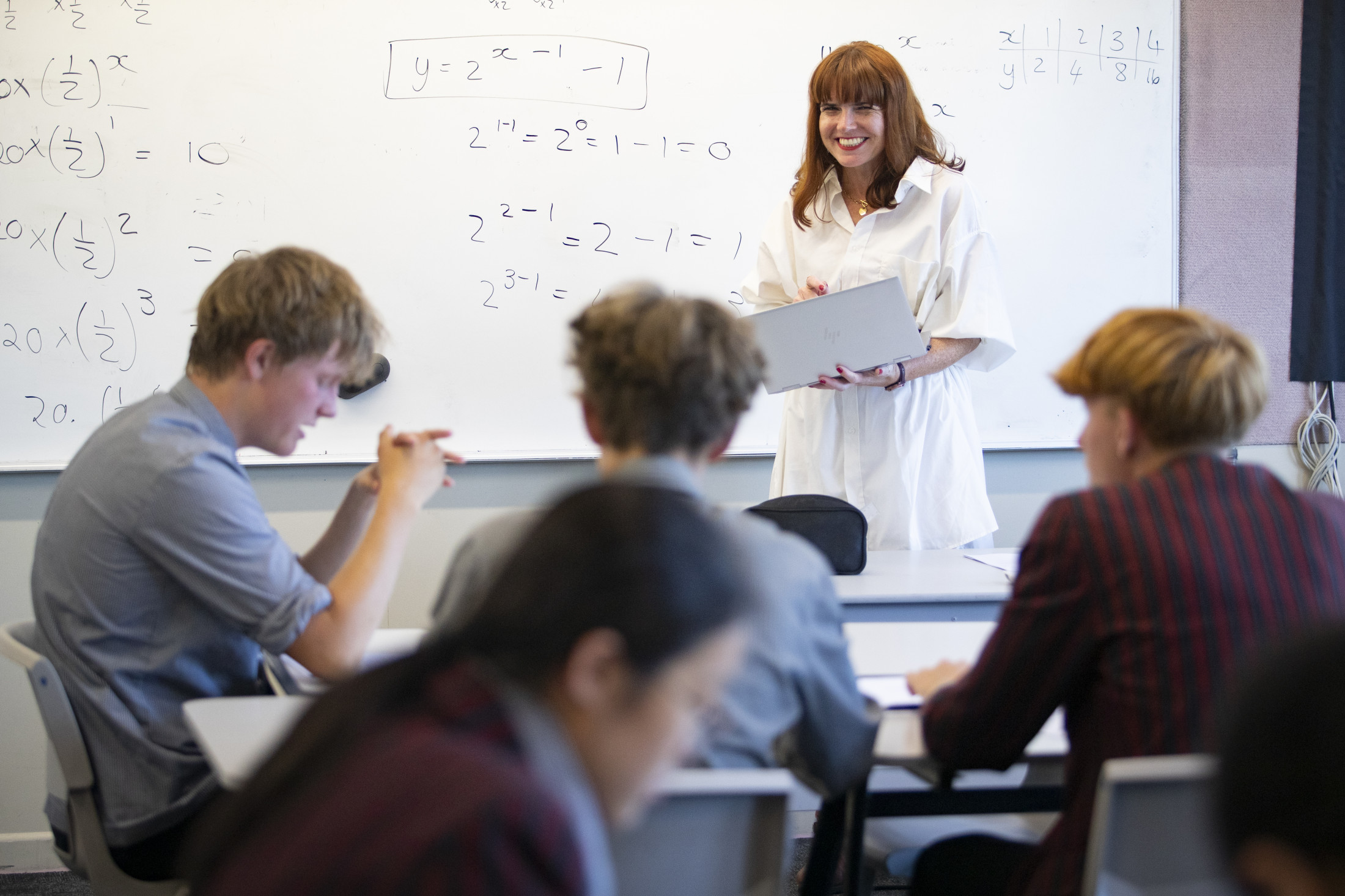
Calculus extends mathematical thinking into more advanced algebraic and graphical modelling. Students study change, motion and relationships between variables using tools such as functions, trigonometry, differentiation and integration. The course develops high-level problem-solving skills and mathematical reasoning, with an emphasis on symbolic methods and multi-step solutions. Calculus is particularly important for students intending to pursue pathways in engineering, physics, computer science, mathematics and other technical or scientific fields. It builds precision, persistence and logical structure in thinking, and connects mathematics to how systems change and behave. This subject is best suited to students who enjoy algebra, abstract reasoning and mathematical challenge, and who are comfortable working through complex problems step by step.
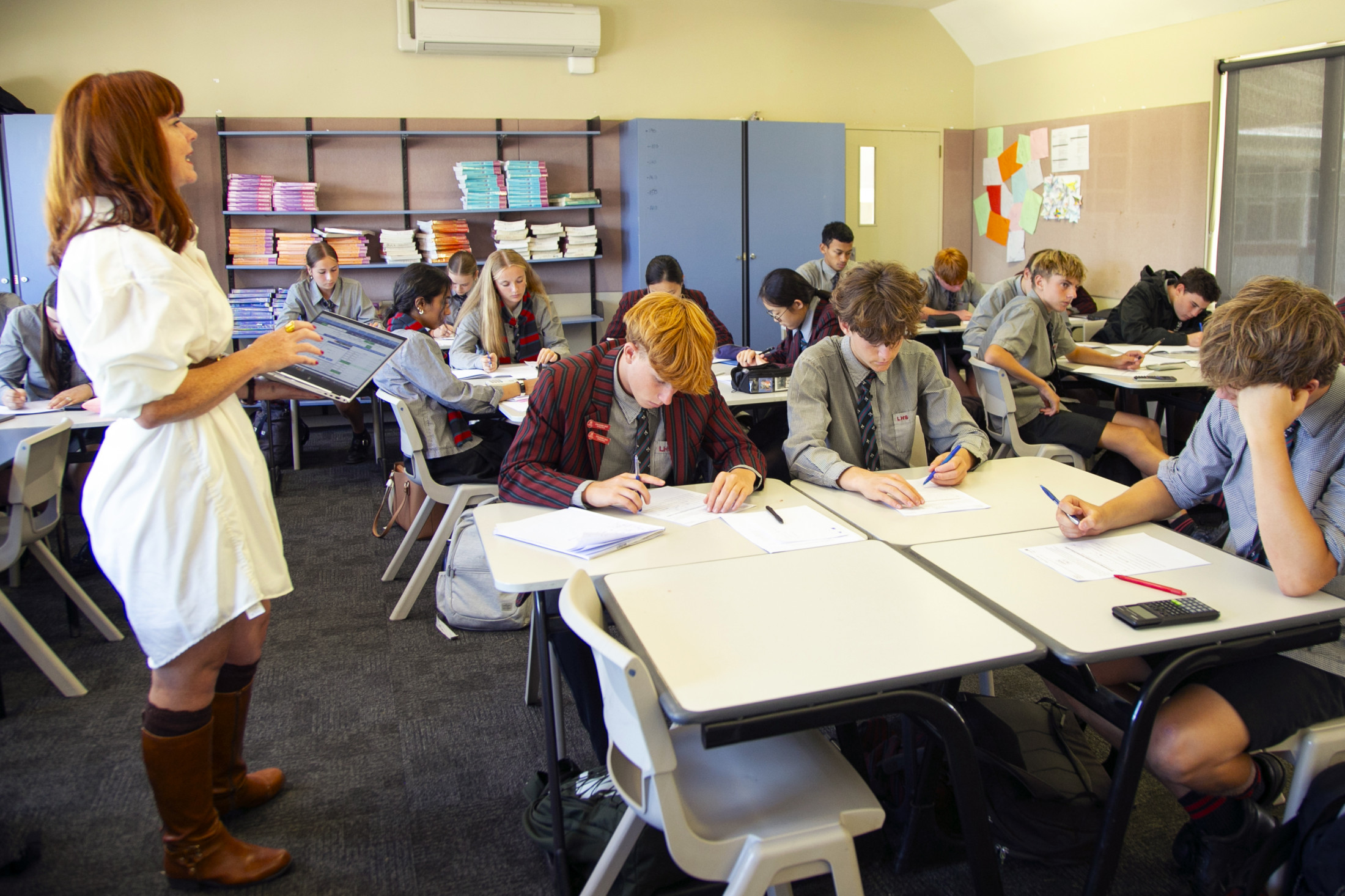
Statistics focuses on understanding data 鈥� how to collect it, analyse it, and draw meaningful conclusions from it. Students learn how to design investigations, evaluate data quality, interpret graphs and reports, and make evidence-based arguments. Topics include statistical enquiry, probability, sampling, data analysis, and interpretation of trends and variation. Students explore real datasets and contemporary issues, building skills in critical thinking and communication as well as calculation. Statistics is highly relevant in today鈥檚 data-driven world and supports pathways into social sciences, health sciences, business, psychology, environmental studies, and many research fields. It is ideal for students who enjoy working with information, patterns, and real-world questions rather than purely abstract mathematics. The subject develops practical analytical skills that are widely transferable.