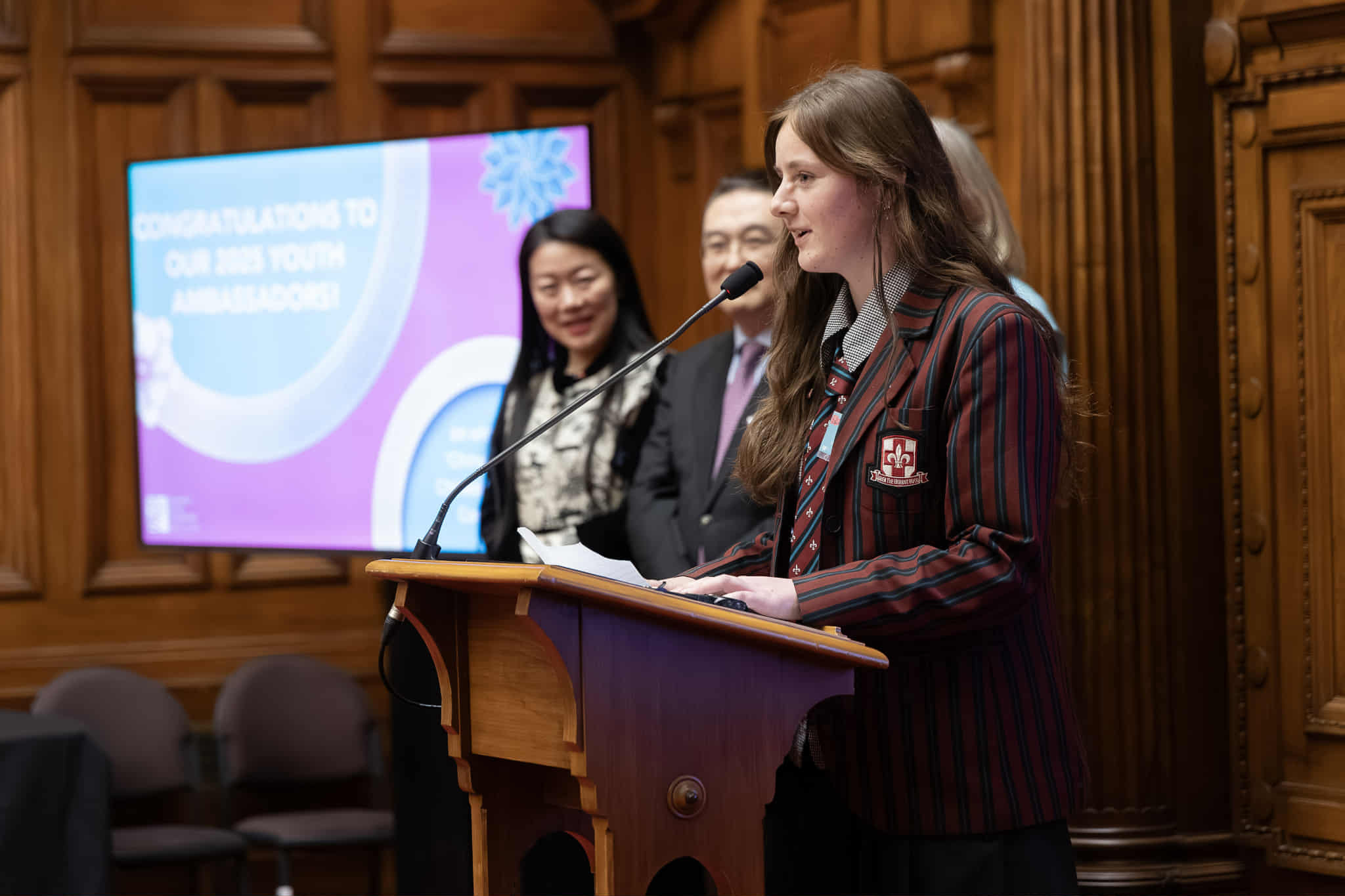
Language study opens up the world. Through learning another language, students build communication skills, cultural insight, and confidence 鈥� all while strengthening literacy, listening, and interpersonal skills that are valuable in every career. Languages are offered as junior option courses in Years 9 and 10 and can be taken all the way through to NCEA Level 3. Lincoln encourages students to complete all three junior semesters of a chosen language to set a strong foundation for senior study. Whether it鈥檚 through speaking, reading, or exploring the cultural contexts of language use, learners develop a global mindset and a deeper appreciation of diversity. Language study also connects directly to pathway opportunities in travel, tourism, business, international relations, and global communities.
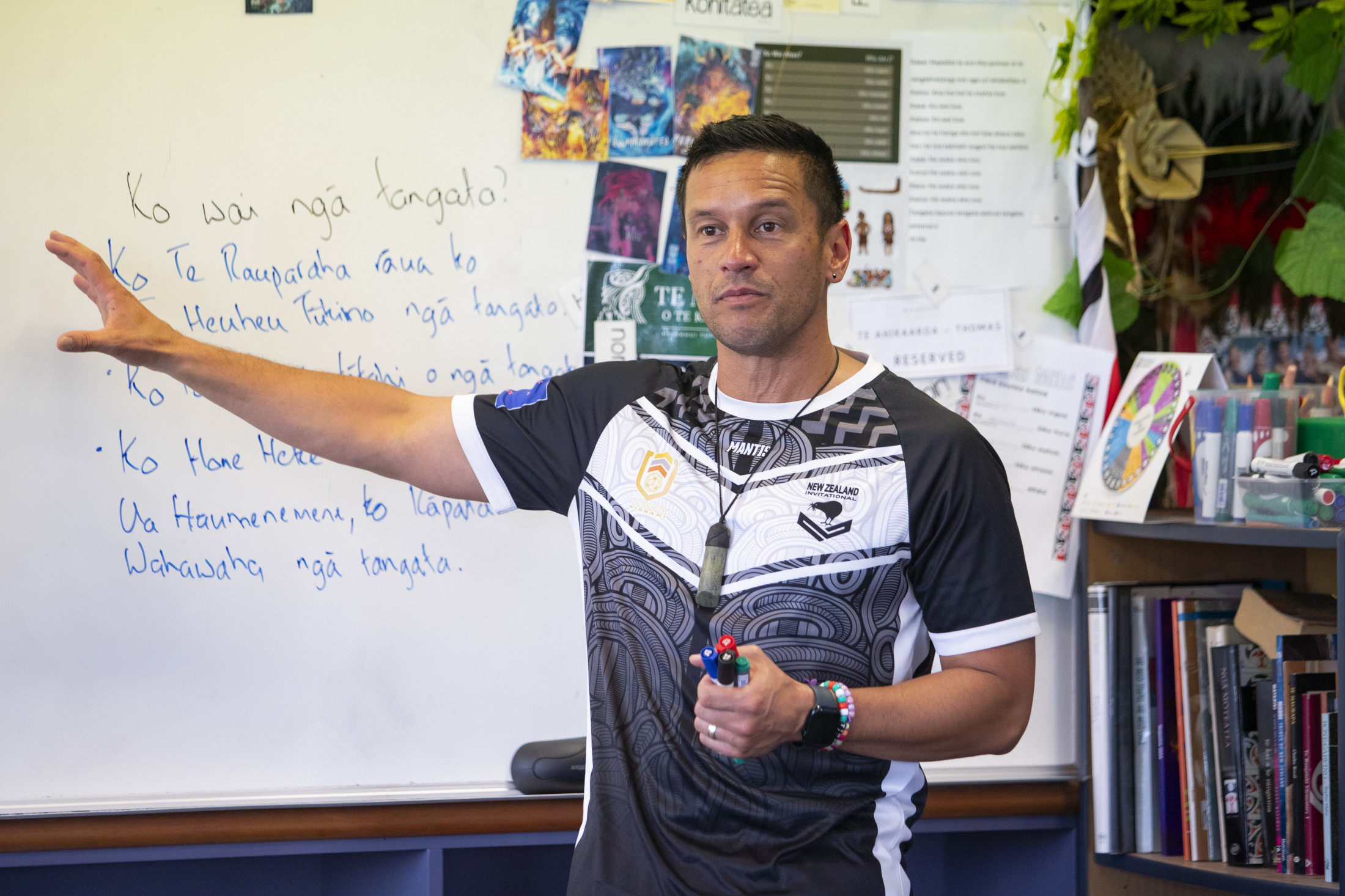
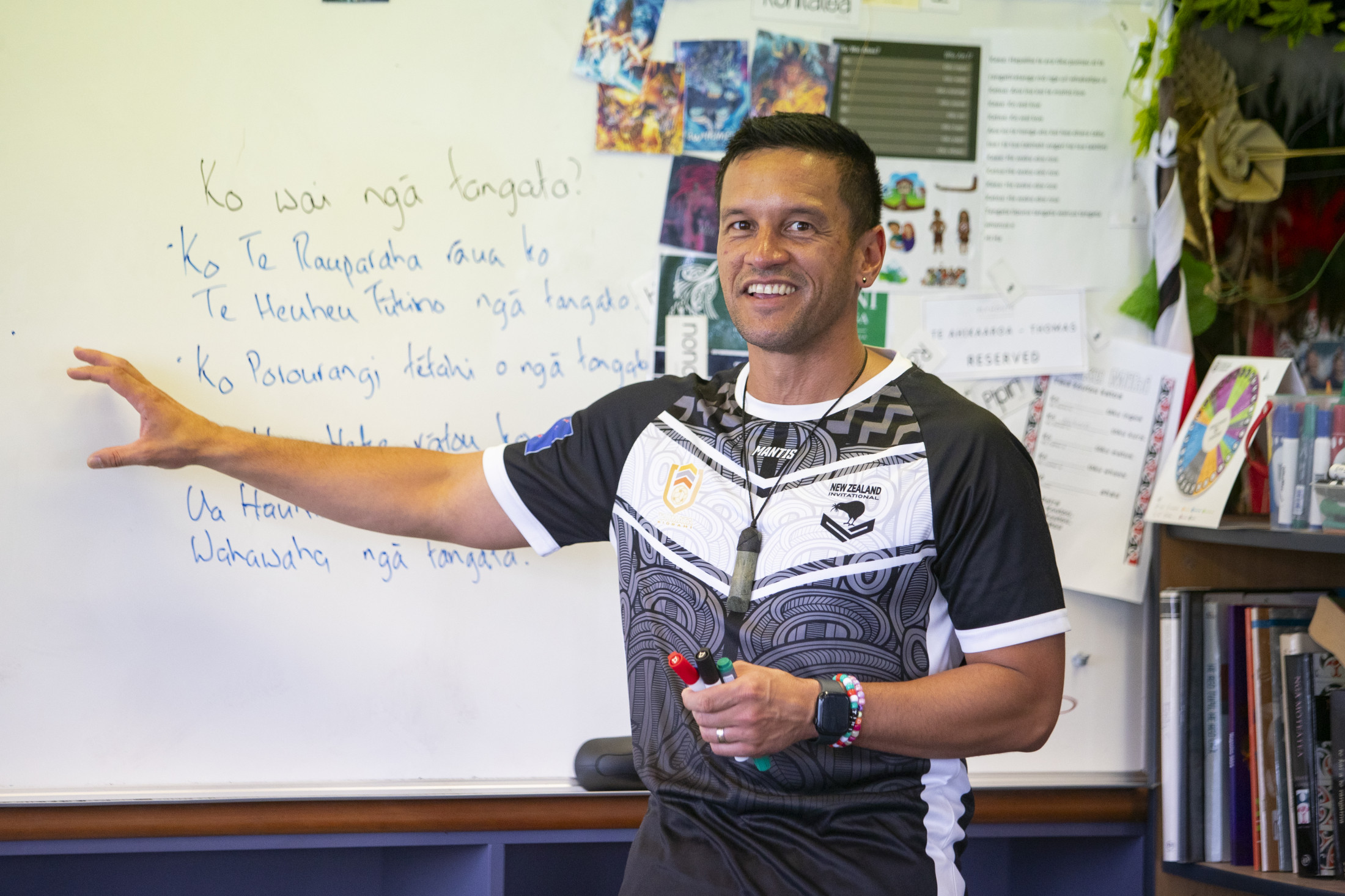
Te Reo M膩ori fosters not only language proficiency but also cultural understanding and respect for Aotearoa鈥檚 indigenous heritage. Learners develop speaking, listening, reading, and writing skills grounded in authentic language use, while exploring tikanga (customs), waiata (songs), whakatauk墨 (proverbs), and M膩ori perspectives. Te Reo connects students with Aotearoa鈥檚 history, identity and community, enriching their ability to communicate across cultural contexts. This subject supports pathways into education, community development, social services, and public sector roles where cultural competence is valued. More than a subject, Te Reo M膩ori invites students to build meaningful relationships, deepen respect for language revitalisation efforts, and engage more fully with Aotearoa's bicultural identity.
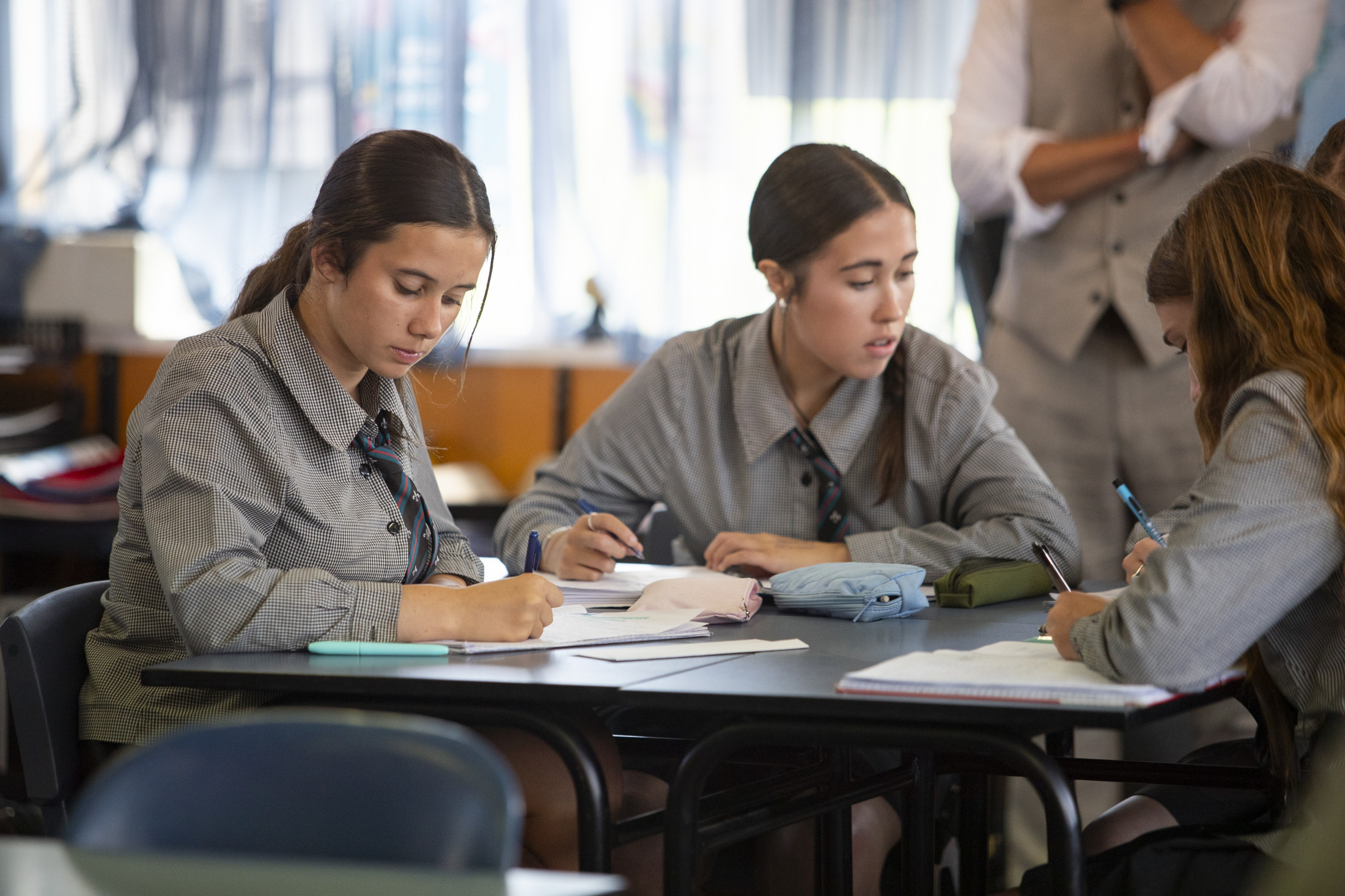

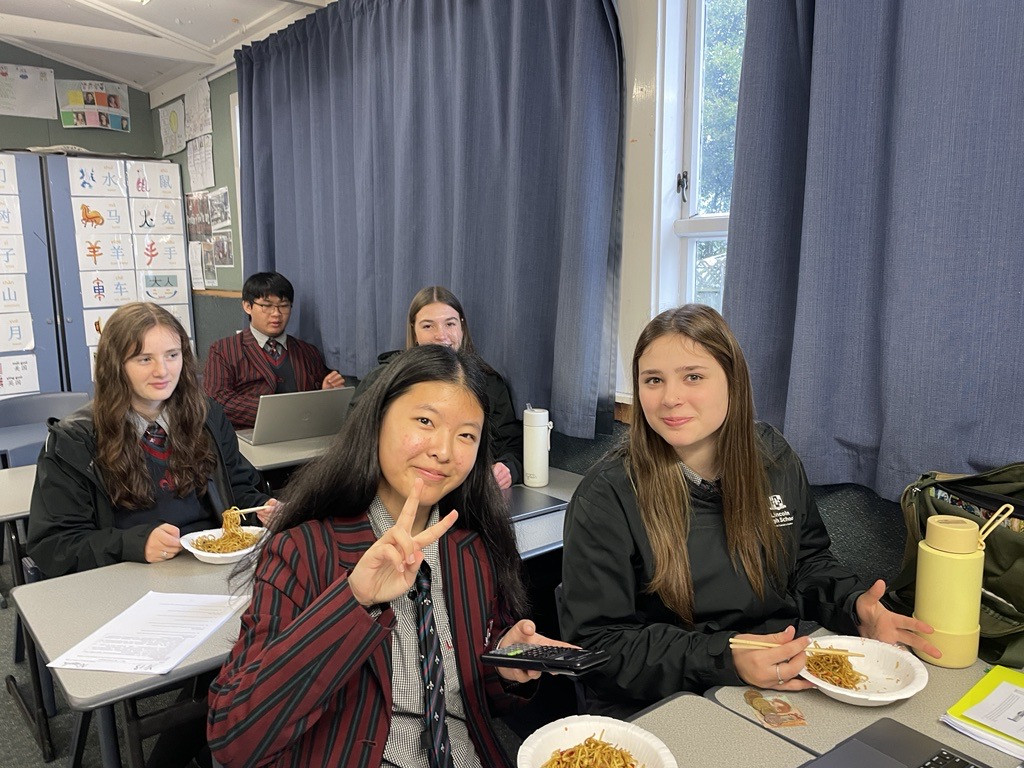
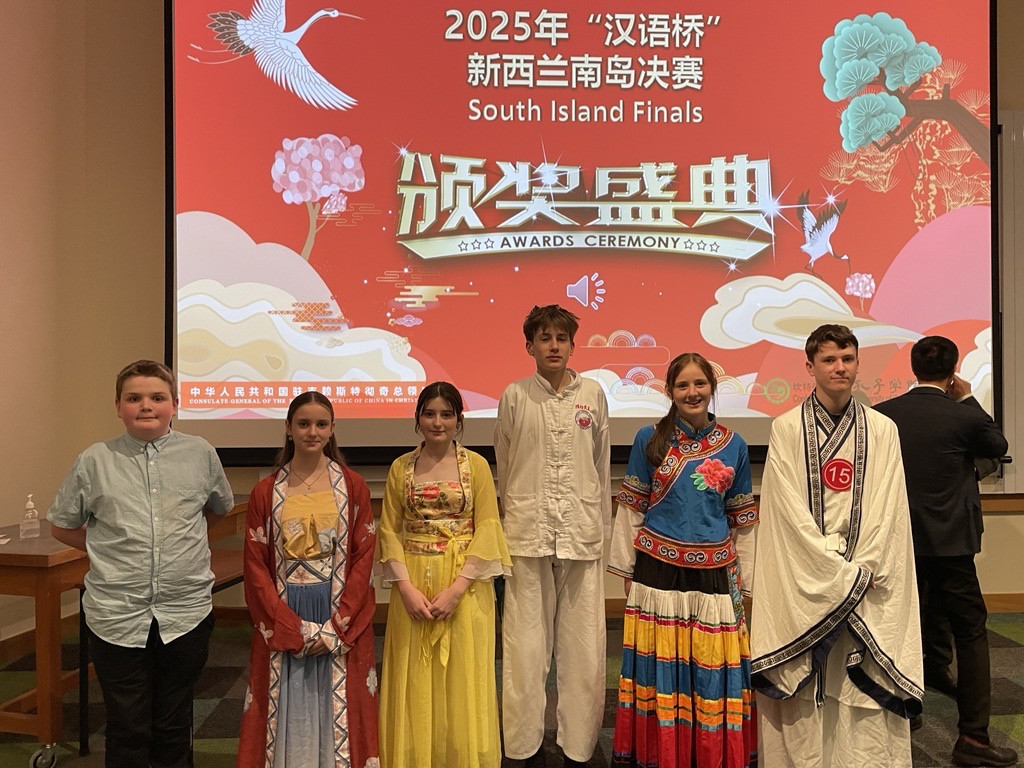
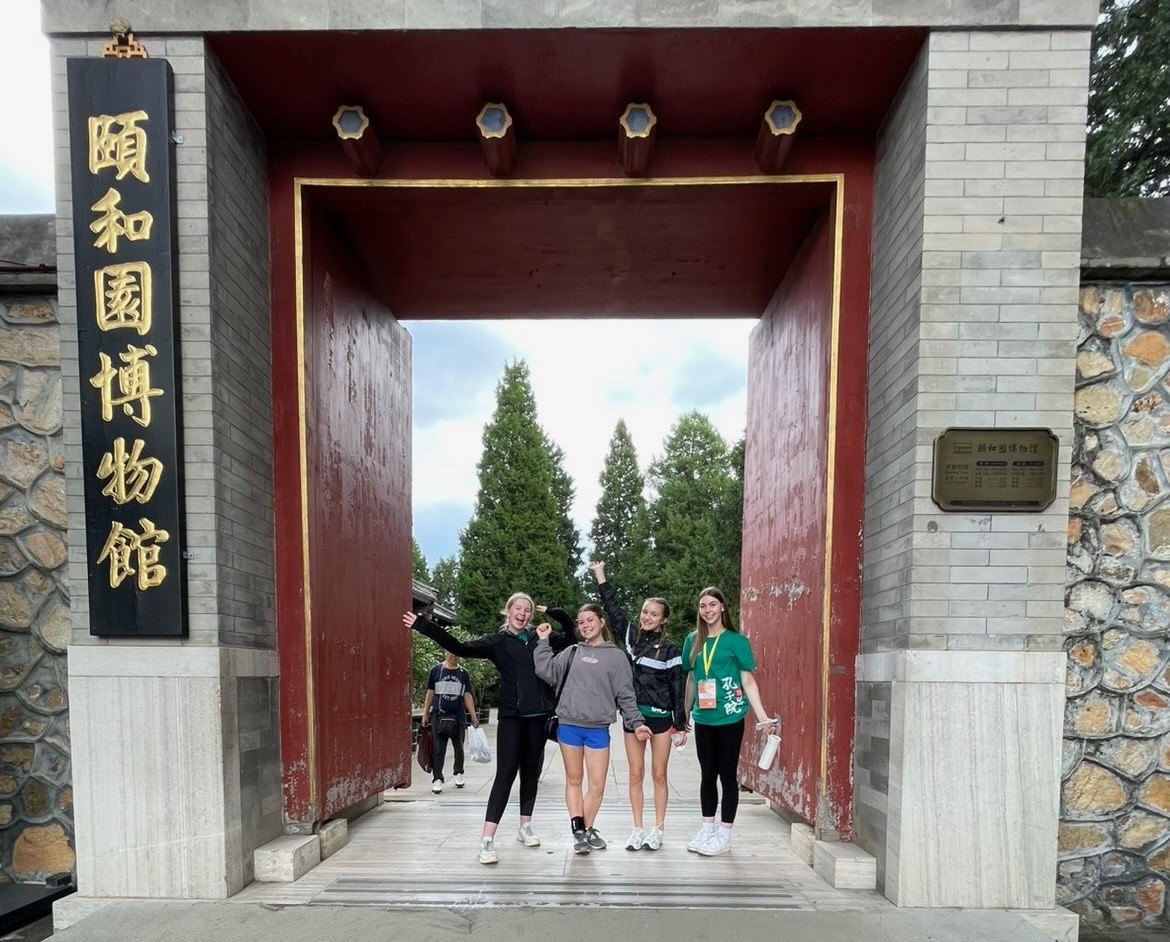
Chinese goes beyond vocabulary 鈥� it鈥檚 about understanding communication and culture across the Chinese-speaking world. Students build skills in speaking, listening, reading, and writing Mandarin, while also exploring cultural practices such as calligraphy, traditional arts, food, and intercultural exchange. The course encourages genuine communication through group activities, audio-visual learning, and interactive tasks that help students use the language in everyday contexts. Students may also participate in pathway workshops and cultural experiences that enrich their understanding of China and its global presence. Chinese supports pathways into international business, tourism, technology, and cultural studies, and helps students become confident global citizens in an increasingly interconnected world.
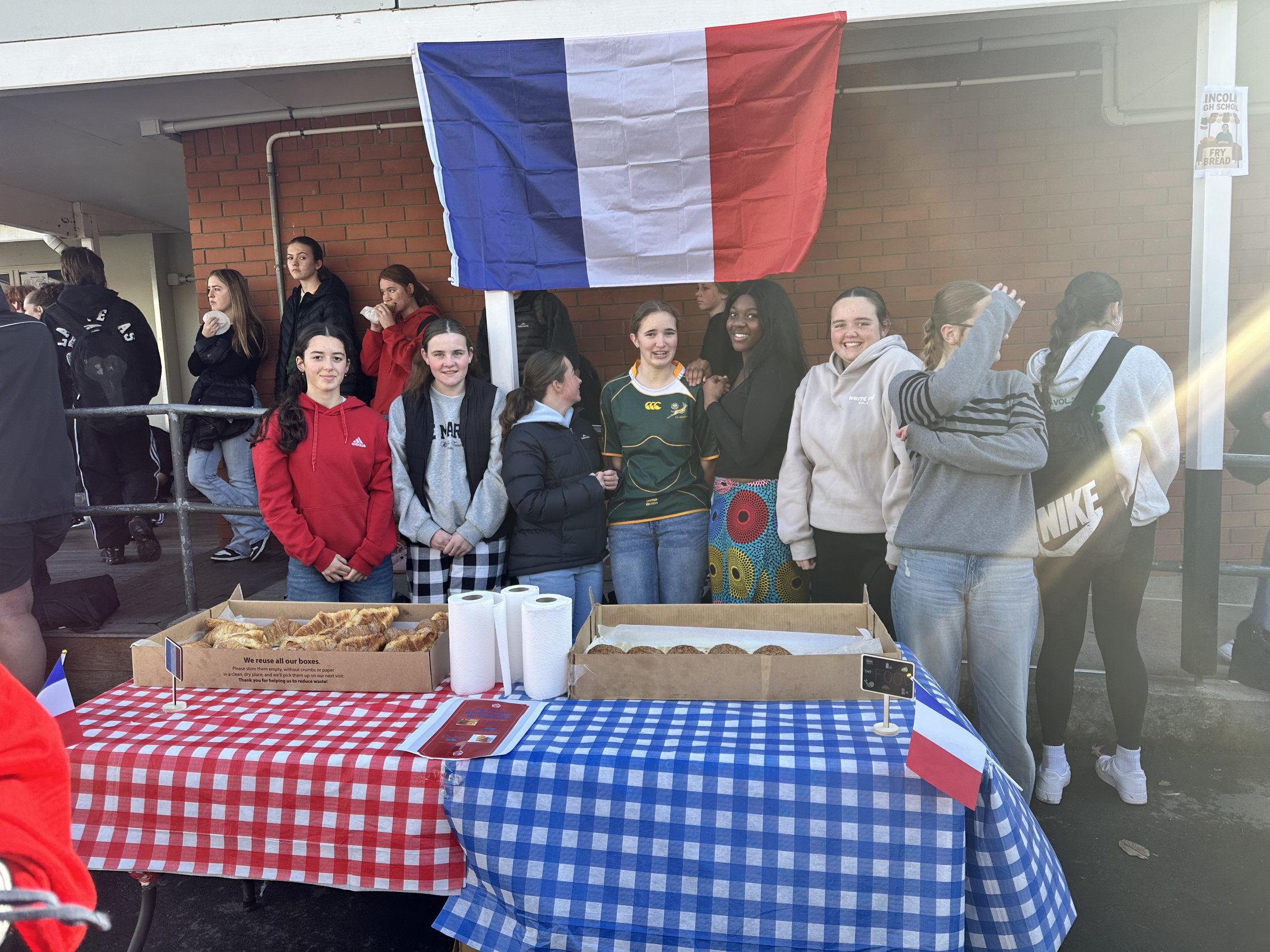
French invites students into the language and life of francophone cultures around the world. Through listening, speaking, reading, and writing practice, learners build strong communication skills and a solid foundation in language structures. The course also includes cultural exploration 鈥� from daily life in French-speaking countries to arts, food, traditions, and travel contexts 鈥� helping students connect with the global francophone community. Studying French enhances students鈥� confidence in expressing ideas, interpreting diverse media, and understanding different world views. French supports pathways into travel, international business, diplomacy, arts, literature and higher education, while strengthening general language awareness and intercultural competence
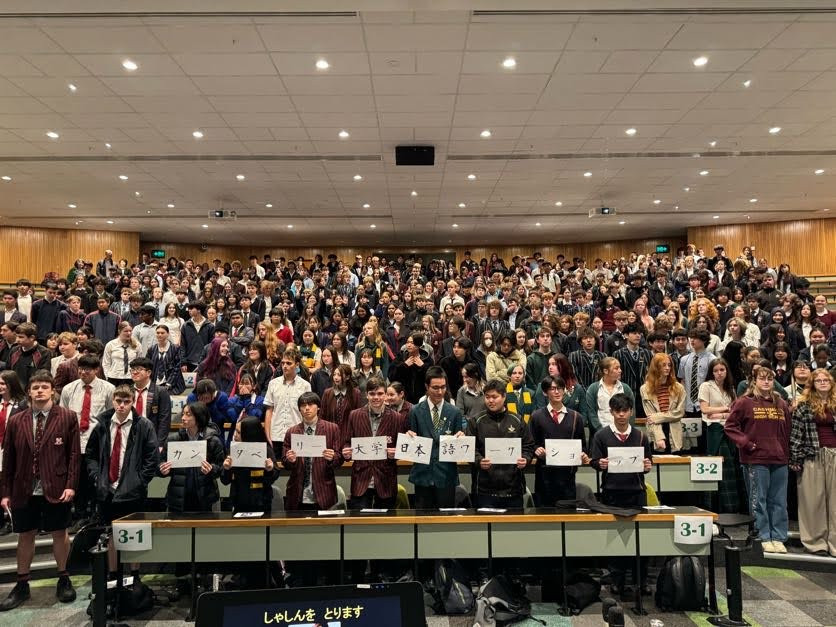
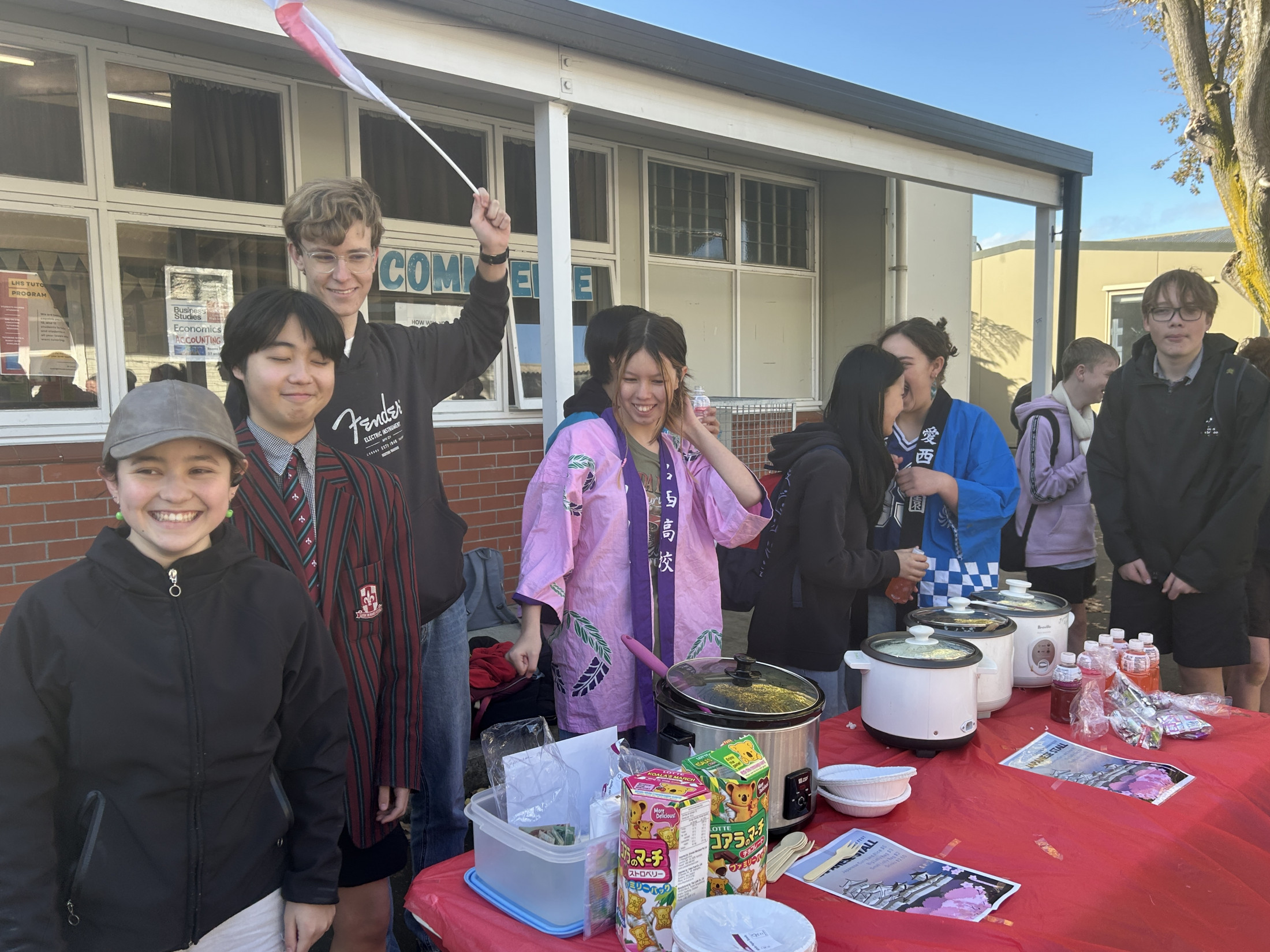
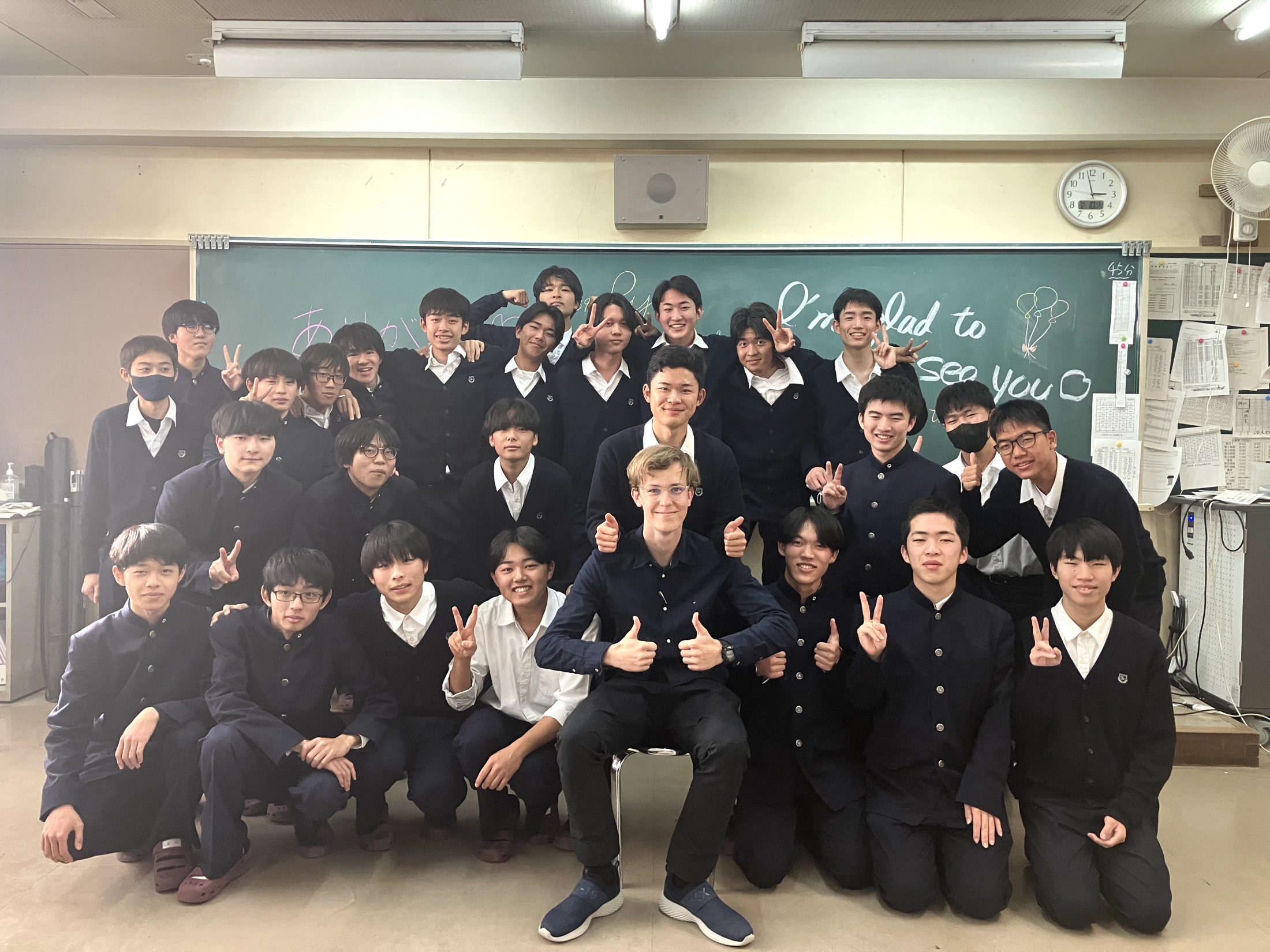
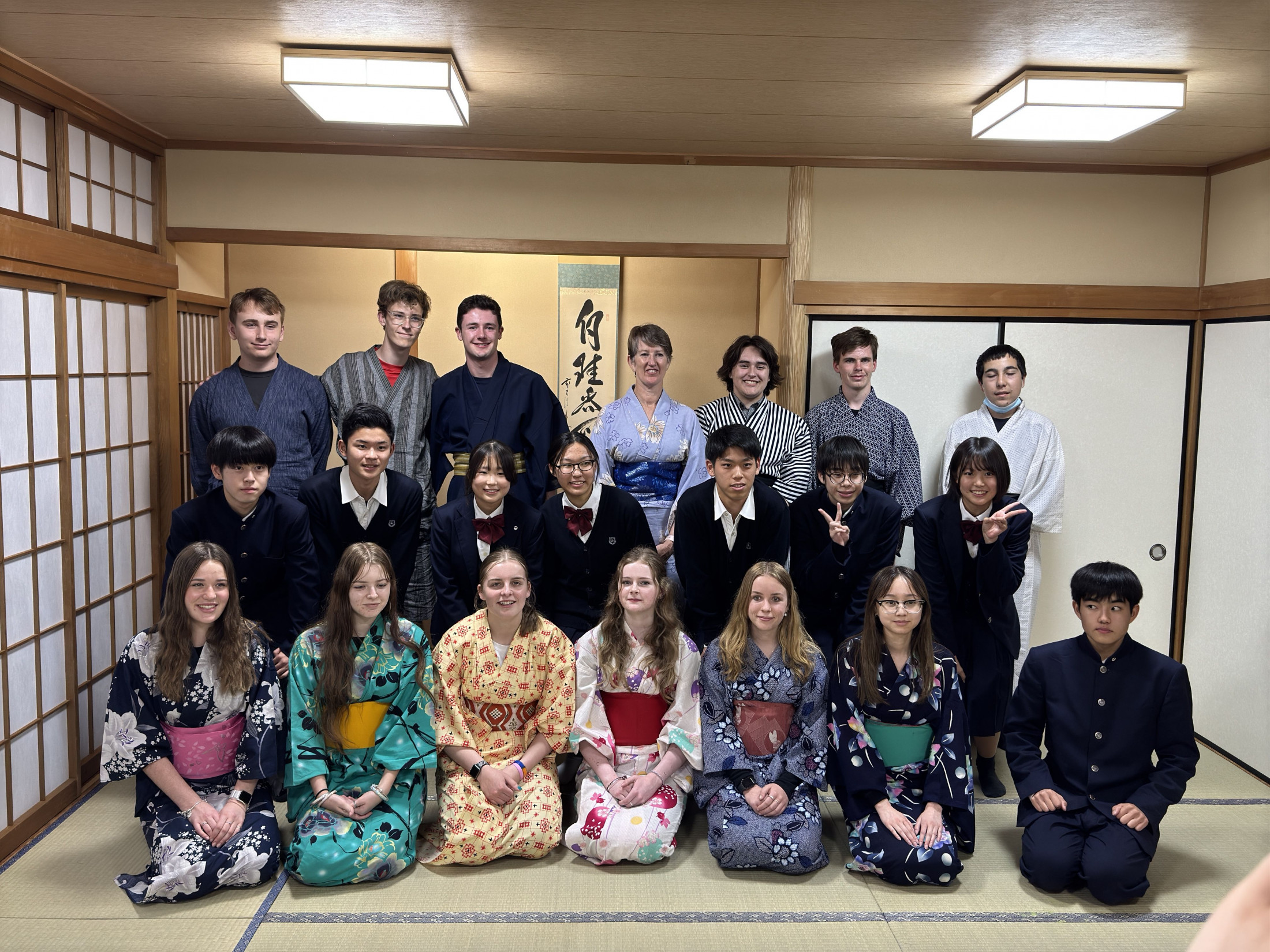
Japanese combines language learning with cultural understanding and real-life communication skills. Students explore key aspects of Japanese communication 鈥� including speaking, listening, reading, and writing 鈥� while gaining insight into traditions, society, and contemporary life in Japan. Through interactive activities, vocabulary development, and cultural exploration, learners build confidence in using Japanese in meaningful situations. Language skill development is supported by multimedia resources and group work that strengthen fluency and cultural awareness. Studying Japanese prepares students for further senior study and opens doors into fields such as tourism, international relations, media, and global business. It鈥檚 a dynamic language programme that nurtures curiosity and connection with one of the world鈥檚 most vibrant cultures.